School Cafeteria Pizza: 5 Ultimate Fixes for Tastier Slices
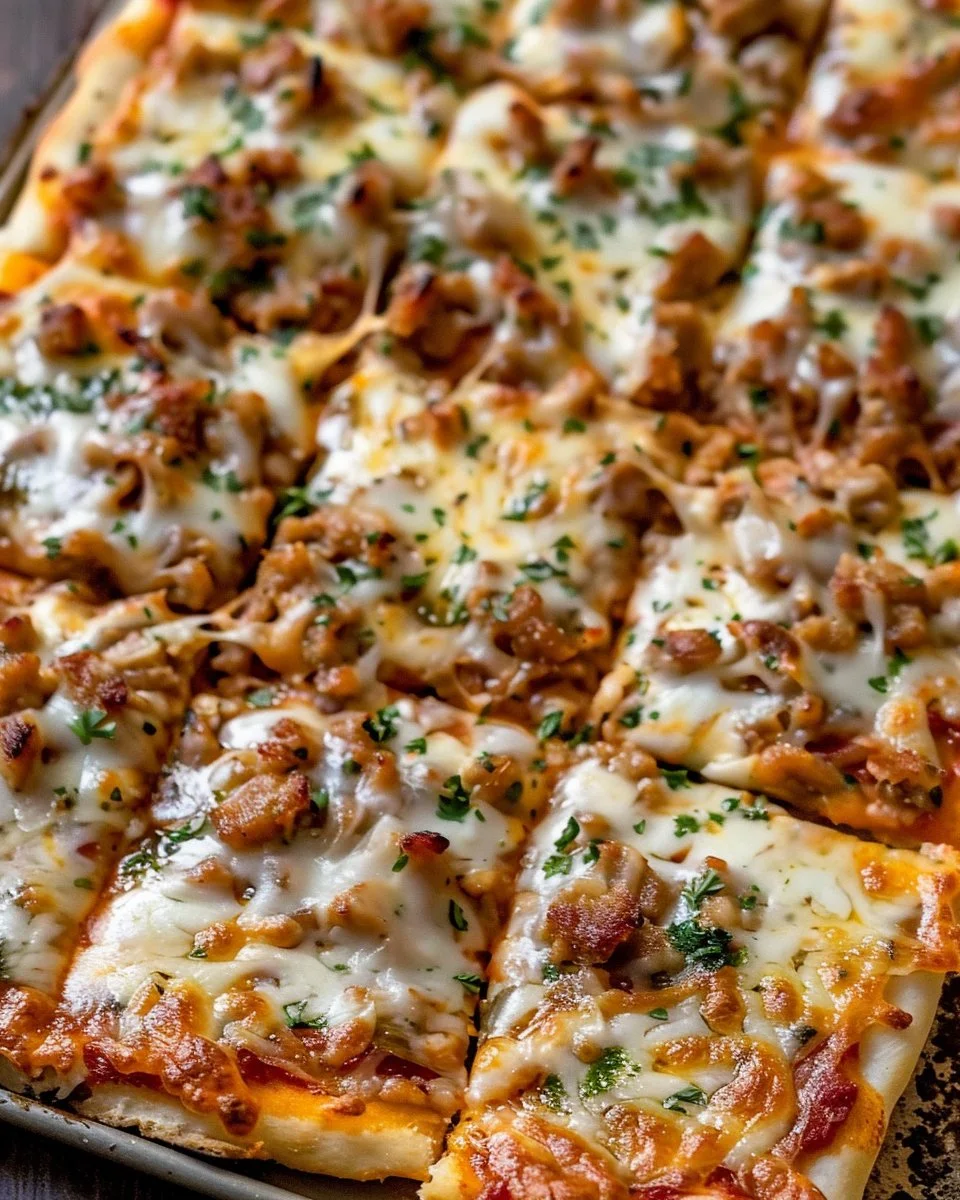
There’s something undeniably enchanting about the aroma of pizza wafting through the halls of a school. It’s a scent that tugs at our memories, instantly transporting us back to carefree days filled with laughter and friends. School cafeteria pizza has woven itself into the fabric of student life, earning a special place in our hearts—whether you loved it or loathed it. But what is it about this pizza that makes it so memorable? In this article, we’ll explore the history, the ingredients, and the secrets behind the beloved school cafeteria pizza that continues to capture the hearts of many.
A Slice of History: The Evolution of School Cafeteria Pizza
Before diving into the delicious details, let’s take a moment to look back at how school cafeteria pizza became a staple in lunchrooms around the world. The early versions of this delightful dish were simple and often made from pre-packaged ingredients. However, as school lunch programs evolved through the decades, so did the pizza.
In the 1970s and 80s, frozen pizzas became the go-to option for cafeterias. These mass-produced pizzas offered consistent flavors and made it easy for busy lunch staff to serve a large number of students quickly. Nowadays, many schools are shifting towards healthier options, with a focus on whole ingredients and reduced preservatives, while still trying to preserve that nostalgic taste.
Why School Cafeteria Pizza Still Matters
You may wonder why school cafeteria pizza is still significant today. The answer lies beyond just taste; it’s about connection. For many, school lunches, especially pizza days, foster cherished memories of friendship, camaraderie, and sharing. It’s a simple meal that brings students together, bridging differences and creating social experiences that are essential during the formative school years.
Additionally, as schools adapt to modernization and dietary preferences, pizza remains a versatile item. Whether topped with classic pepperoni or buried under a heap of veggies, it’s a meal that can be modified to appeal to a wide range of dietary needs and preferences.
The Magic Ingredients Behind School Cafeteria Pizza
Let’s talk about what truly makes school cafeteria pizza, well, pizza! Though the ingredients may differ from one cafeteria to another, here’s a basic rundown of what you might find:
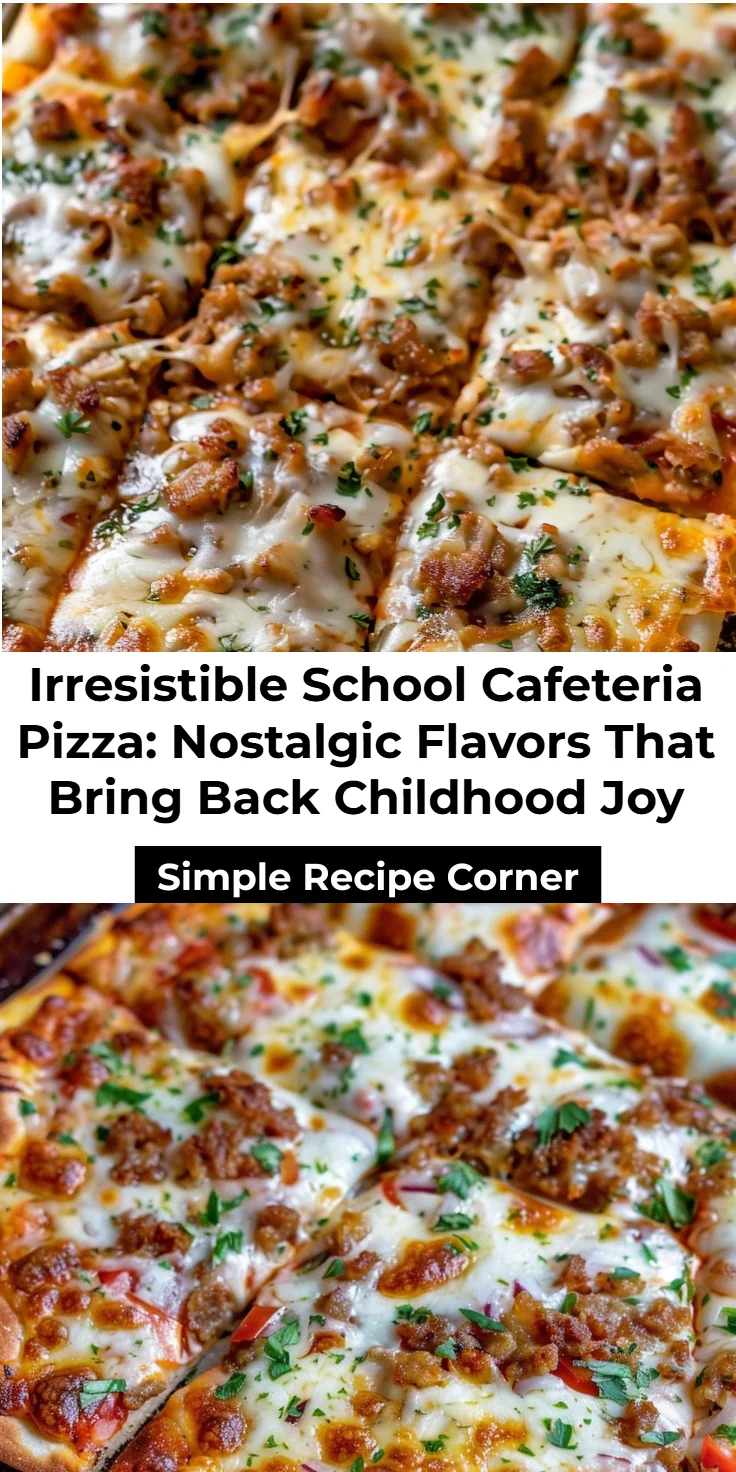
Key Ingredients:
- Dough: Usually a pre-made dough or pizza crust that is easy to stretch and prepare. Some schools may even go for whole-grain or gluten-free options.
- Sauce: A tomato-based sauce, often sweetened slightly to appeal to youngest palates.
- Cheese: A generous layer of mozzarella (or sometimes a blend of cheeses) that melts beautifully.
- Toppings: From classic pepperoni to veggie-loaded options, the sky’s the limit. Schools often let students vote on their preferred toppings to increase participation and enjoyment.
Not only do these ingredients make for delicious pizzas, but they also make it fun for students to customize their meals according to their tastes.
Cooking Up a School Cafeteria Classic: A Simple Recipe
Want to recreate that beloved school cafeteria pizza at home? Here’s a step-by-step guide to help you whip up your own version. Get ready to impress your family with a taste of nostalgia!
Step-by-Step Guide
- Preheat the Oven: Get your oven preheated to 400°F (200°C).
- Prepare Your Dough: Roll out your pizza dough on a floured surface to your desired thickness. Place it on a greased baking sheet.
- Add the Sauce: Spread a generous layer of your favorite pizza sauce evenly over the dough.
- Layer on the Cheese: Sprinkle a hearty amount of mozzarella cheese over the sauce.
- Select Your Toppings: Now’s the fun part! Choose your toppings and distribute them evenly on top of the cheese.
- Bake: Place the pizza in the oven and bake for approximately 15-20 minutes, or until the crust is golden and the cheese is bubbly.
- Slice and Serve: Let it cool for a few minutes, slice it up, and enjoy!
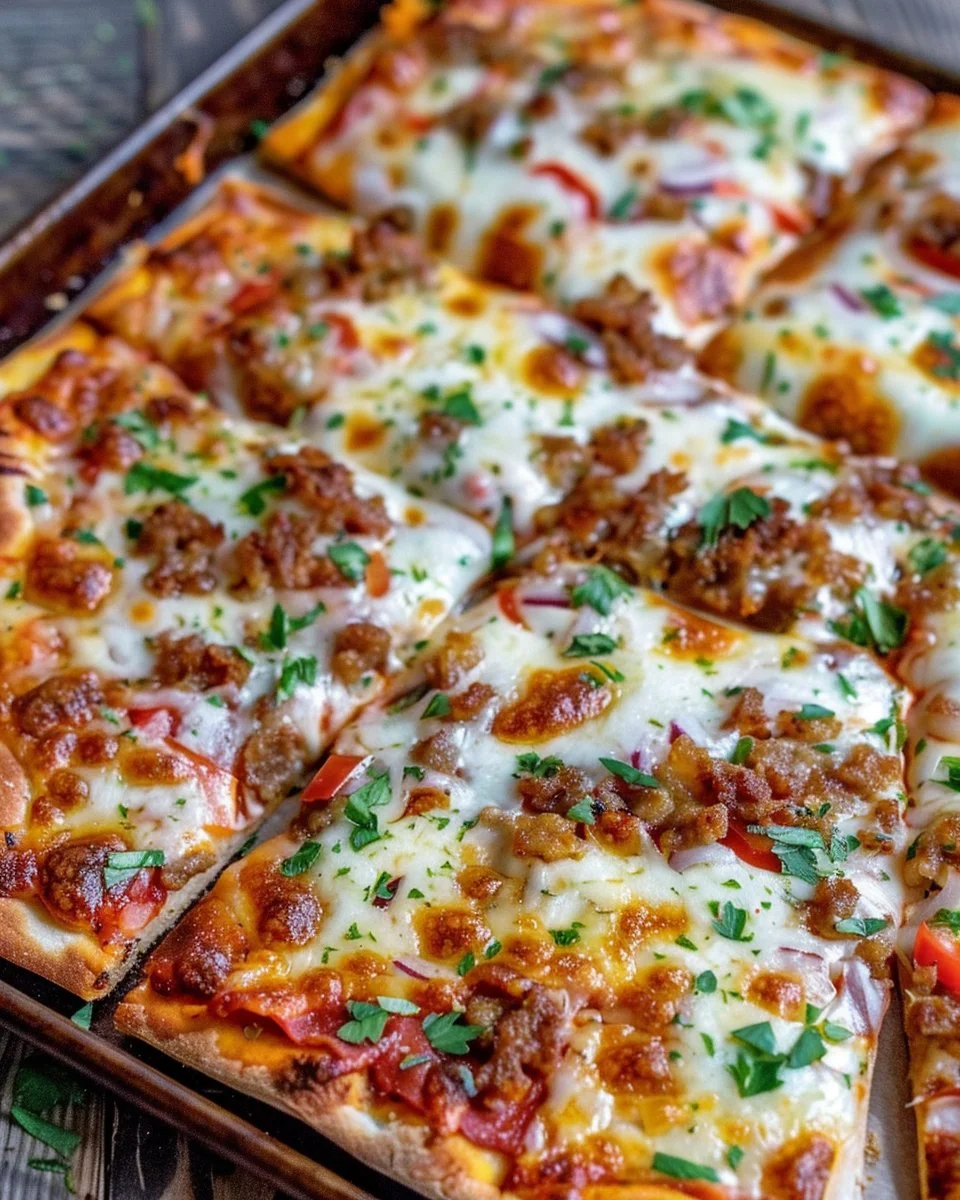
Pro Tips for the Perfect Pizza
- Experiment with Flavors: Don’t hesitate to mix and match toppings. You could blend traditional and modern themes to create a unique taste experience.
- Try Different Sauces: While tomato sauce is a classic, consider pesto or barbecue sauce for a twist that keeps things interesting.
- Embrace the Childhood Nostalgia: Kids love a personal touch; consider letting them create their own mini pizzas with a variety of toppings.
Variations for Every Palate
If you’re feeding a crowd with varied tastes, offer a range of options including:
- Veggie Delight: Load up with bell peppers, olives, spinach, and mushrooms.
- Meat Lovers: Combine pepperoni, sausage for a protein-packed feast.
- White Pizza: Skip the tomato sauce and use ricotta or Alfredo sauce instead for a creamy, indulgent option.
Common Pitfalls to Avoid
Creating the perfect school cafeteria pizza can be fun but here are a few mistakes to steer clear of:
- Overloading on Toppings: While it’s tempting to add all your favorites, too many toppings can make the pizza soggy. Less is often more.
- Not Preheating the Oven: This can lead to uneven cooking; make sure your oven is hot before sliding in your pizza.
- Ignoring Baking Time: Keep an eye on your pizza. Depending on the oven, baking time may vary, and burnt pizza is never a good idea!
The Health Perspective: Making Informed Choices
It’s essential to be mindful of the nutritional aspects of school cafeteria pizza. Often considered comfort food, these pizzas can be made healthier. Look for:
- Whole-Grain Crusts: Increasing fiber content can make your pizza more filling and nutritious.
- Reduced-Fat Cheese: Lower-calorie options can help reduce overall fat content.
- Fresh Veggies: Adding lots of vegetables can not only enhance the nutrition but also add color and flavor!
FAQs About School Cafeteria Pizza
1. What is school cafeteria pizza made of?
School cafeteria pizza typically consists of a pre-made dough, a tomato-based sauce, mozzarella cheese, and a variety of toppings depending on the preference of students and school guidelines.
2. How can I make school cafeteria pizza at home?
You can recreate this classic by using pizza dough, adding your favorite tomato sauce, cheese, and toppings. Bake in a preheated oven at 400°F (200°C) for about 15-20 minutes.
3. Is school cafeteria pizza healthy?
While it can be enjoyed as a comfort food, options can be made healthier by opting for whole grain crusts, using less cheese, and adding more vegetables.
4. Can I customize my school cafeteria pizza?
Absolutely! Many schools allow students to choose their preferred toppings, making the pizza more appealing and interactive.
5. Why is cafeteria pizza nostalgic?
Cafeteria pizza often evokes memories of friendship and community from school days, making it a significant part of many people’s childhood experiences.
Wrapping Up: A Slice of Nostalgia
School cafeteria pizza isn’t just food; it represents shared moments and fleeting joys of youth. As you recreate this nostalgic dish in your own kitchen, remember the emotions associated with it. Whether it’s a fun family meal or your own trip down memory lane, there’s a simple joy in crafting your own delicious slice. So go ahead, gather your ingredients, and celebrate the magic of school cafeteria pizza—you might just find that it tastes even better when made with love and shared with family!
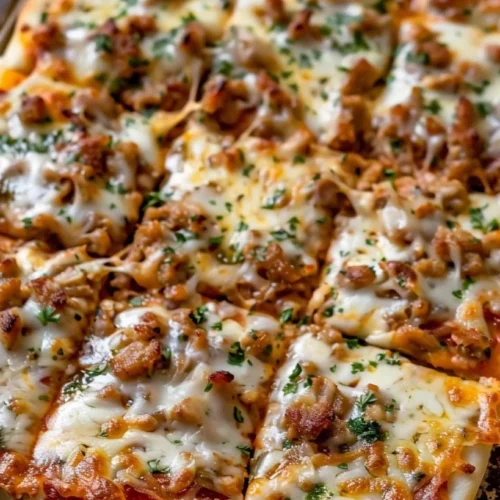
School Cafeteria Pizza
Ingredients
Pizza Base
- 1 lb Pizza dough or pizza crust Use pre-made dough or whole-grain/gluten-free options.
Sauce and Cheese
- 1 cup Tomato-based pizza sauce Consider a slightly sweetened sauce for younger palates.
- 2 cups Mozzarella cheese Or a blend of cheeses.
Toppings
- Various toppings (e.g., pepperoni, bell peppers, olives, spinach, mushrooms) Choose toppings based on personal preference.
Instructions
Preparation
- Preheat the oven to 400°F (200°C).
- Roll out the pizza dough on a floured surface to your desired thickness and place it on a greased baking sheet.
- Spread a generous layer of pizza sauce evenly over the dough.
- Sprinkle a hearty amount of mozzarella cheese over the sauce.
- Distribute your chosen toppings evenly on top of the cheese.
Baking
- Place the pizza in the oven and bake for approximately 15-20 minutes or until the crust is golden and the cheese is bubbly.
- Let the pizza cool for a few minutes before slicing and serving.