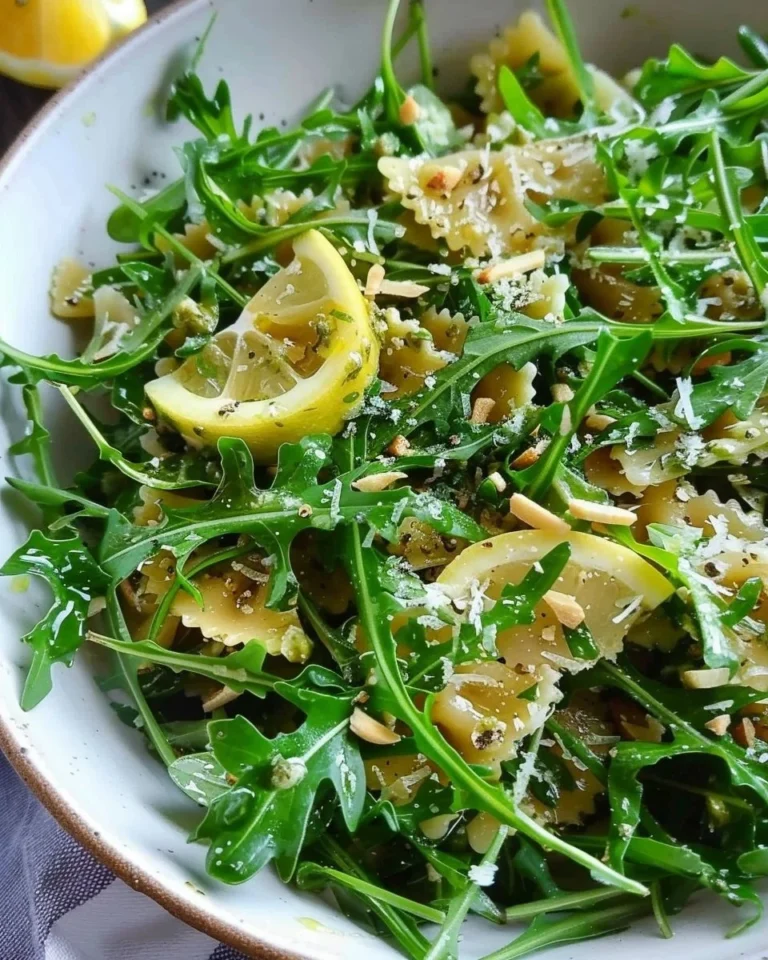
Classic Pasta Salad Recipe
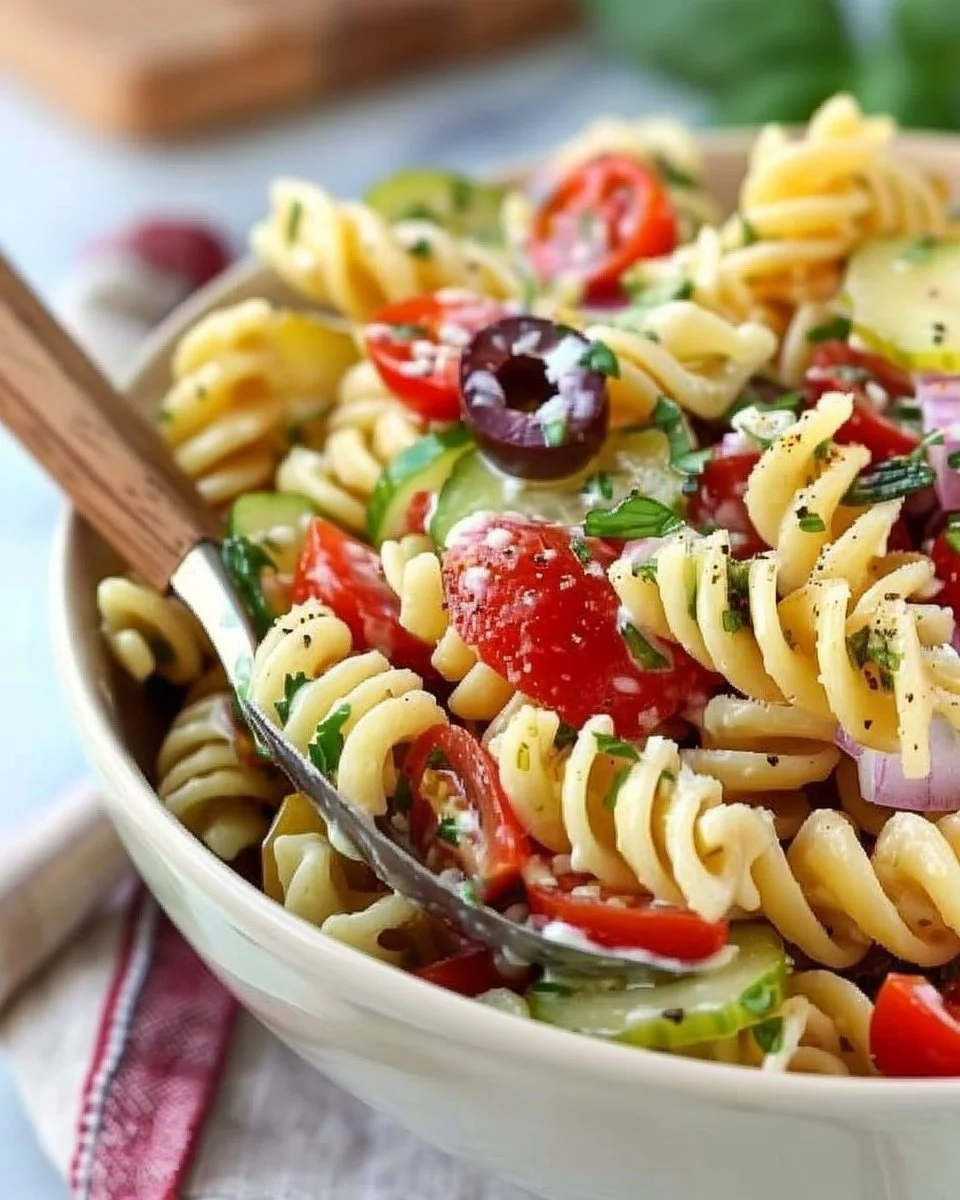
The Classic Pasta Salad: A Timeless Delight
Picture this: it’s a warm summer afternoon, the sun is shining, and you’re surrounded by friends and family. The scent of delicious food wafts through the air, and amid all the grilled meats and fresh fruits, there’s one dish that everyone is drawn to—the classic pasta salad. It’s a dish that evokes memories of summer gatherings, potlucks, and barbecues, but why does this simple recipe resonate so much with us?
A classic pasta salad is not just a dish; it’s a canvas for creativity and a practical solution for those seeking the perfect side. In this article, we’ll dive deep into what makes this salad so special, how to prepare it, and some expert tips that will elevate your pasta salad game.
Why You Should Make Classic Pasta Salad
Classic pasta salad matters because it’s incredibly versatile and easy to customize. Whether you’re hosting a party, packing lunch for the week, or looking for something quick and satisfying, pasta salad fits the bill. It allows you to:
- Experiment with Ingredients: You can adapt the salad based on what you have on hand or your personal taste preferences.
- Serve It Up Everywhere: Whether it’s a chic dinner party or a casual picnic, this dish always shines.
- Prepare it in Advance: Unlike some dishes that are best served fresh, a classic pasta salad gets better with time, letting the flavors meld beautifully.
Essential Ingredients for Your Classic Pasta Salad
While pasta salad recipes vary widely, there are a few core ingredients that you’ll find in most classic versions:
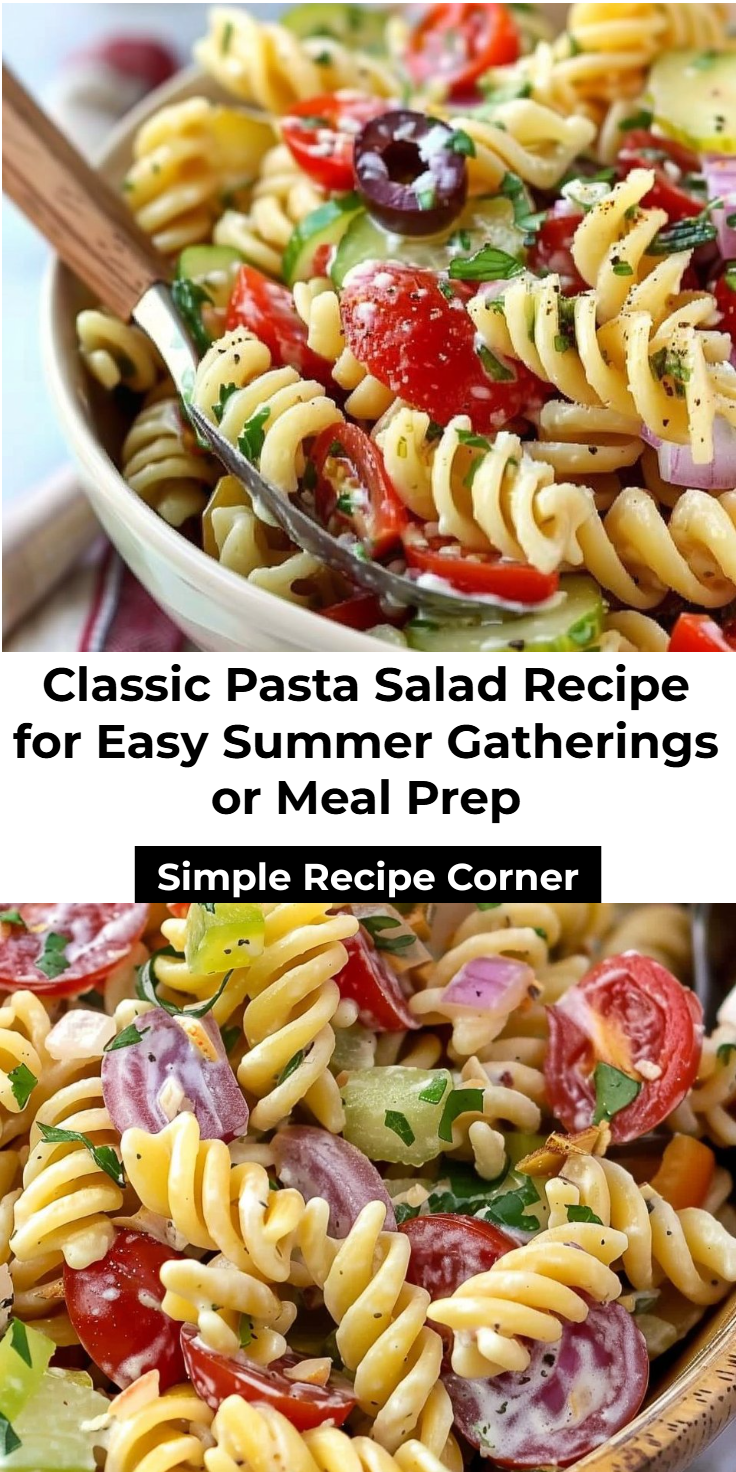
- Pasta: Use shapes like rotini, penne, or farfalle, as they hold dressings and flavors well.
- Vegetables: Fresh bell peppers, cucumbers, cherry tomatoes, and red onions bring color and crunch.
- Herbs: Fresh basil, parsley, or oregano can heighten the flavor profile.
- Cheese: Feta, mozzarella, or cheddar adds richness.
- Dressing: A simple vinaigrette made with olive oil, vinegar, mustard, and seasonings is always a crowd-pleaser.
Step-by-Step Guide to Making Classic Pasta Salad
Making a classic pasta salad is straightforward and can be done in a few easy steps:
- Cook the Pasta: Boil your chosen pasta according to package instructions. Aim for al dente for the best texture.
- Prepare the Vegetables: While the pasta cools, chop your vegetables into bite-sized pieces.
- Mix the Dressing: In a small bowl, whisk together olive oil, vinegar, a teaspoon of mustard, salt, and pepper.
- Combine Everything: In a large bowl, mix the cooked pasta, vegetables, cheese, and dressing until everything is evenly coated.
- Chill: Let your salad sit in the refrigerator for at least 30 minutes to allow the flavors to develop.
- Serve: Enjoy your classic pasta salad chilled or at room temperature!
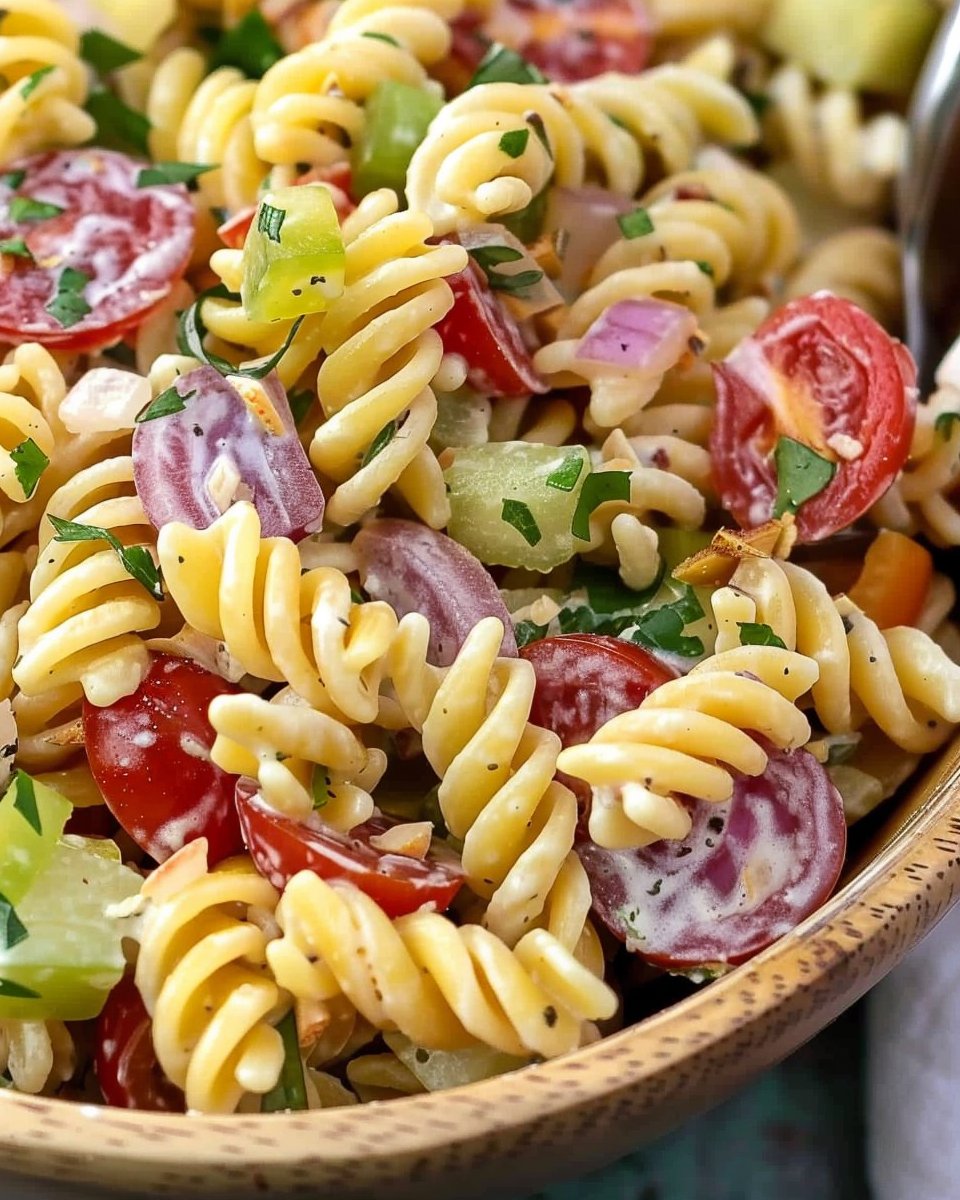
Expert Tips to Elevate Your Classic Pasta Salad
To make your classic pasta salad truly stand out, here are some pro tips from culinary experts:
- Don’t Overcook the Pasta: This is key! Overcooked pasta results in mushy salad. Stick to al dente.
- Customize Your Dressing: Experiment with different oils and vinegars. Adding a splash of lemon juice or a sprinkle of Italian seasoning can make a difference.
- Add Protein: If you want to make your salad a meal, consider adding grilled chicken, shrimp, or chickpeas for an extra protein boost.
- Use Seasonal Ingredients: Fresh, in-season veggies can elevate your dish. Corn in the summer or roasted butternut squash in the fall can add unique flavors.
Creative Variations of Classic Pasta Salad
Don’t be afraid to think outside the box! Here are a few creative variations that might inspire you:
- Mediterranean Pasta Salad: Incorporate olives, artichoke hearts, and sun-dried tomatoes, and use a lemony vinaigrette.
- Caprese Pasta Salad: Combine tomatoes, fresh mozzarella, and basil, drizzled with balsamic glaze for a fresh take.
- Southwestern Pasta Salad: Add black beans, corn, diced avocado, and a zesty lime dressing for a fiesta in a bowl.
Common Mistakes to Avoid
Even the best intentions can lead to a less-than-stellar pasta salad. Here are mistakes to steer clear of:
- Neglecting to Drain the Pasta: Ensure your pasta is well-drained before mixing it with other ingredients to prevent a soggy salad.
- Skipping the Chill: Allowing your salad to sit and cool makes a significant difference in flavor.
- Using Too Much Dressing: A little goes a long way. Start with a small amount and add more to taste.
Serving Ideas for Every Occasion
Classic pasta salad is incredibly versatile when it comes to serving. Here are a few ideas:
- Picnics and BBQs: Serve it as a hearty side that pairs well with grilled meats.
- Meal Prep: Portion out salads in jars for easy lunches during the week.
- Potlucks: A guaranteed crowd-pleaser that is easy to transport.
Storage Tips for Classic Pasta Salad
If you find yourself with leftovers, store your classic pasta salad correctly to maintain its freshness:
- Refrigerate Promptly: Keep your salad in the fridge and consume within 3-4 days.
- Keep Dressing Separate If Possible: If making ahead, consider storing dressing separately to avoid sogginess.
FAQs About Classic Pasta Salad
What is classic pasta salad?
Classic pasta salad is a chilled dish that typically includes cooked pasta, fresh vegetables, cheese, and a tangy dressing.
How long can I store classic pasta salad in the refrigerator?
You can store it in an airtight container in the refrigerator for about 3-4 days.
Can I customize classic pasta salad?
Absolutely! You can add various ingredients like proteins, different vegetables, or unique dressings to suit your taste.
What type of pasta is best for pasta salad?
Shapes like rotini, penne, or farfalle are ideal as they hold onto the dressing and mix well with other ingredients.
How do I keep my pasta salad from getting mushy?
Cook pasta al dente, and ensure you drain it well before mixing it with other ingredients; chilling the salad also helps keep textures firm.
Conclusion
Classic pasta salad is more than just a side dish; it’s an essential part of gatherings and celebrations. Its flexibility in ingredients allows for endless creativity, while the fundamental techniques ensure that you can prepare a delicious dish every time. By following the steps and tips outlined above, you can make a pasta salad that not only evokes nostalgia but also impresses your guests. So, the next time you’re preparing for an event or just need a satisfying meal, remember the beloved classic pasta salad—it never goes out of style.
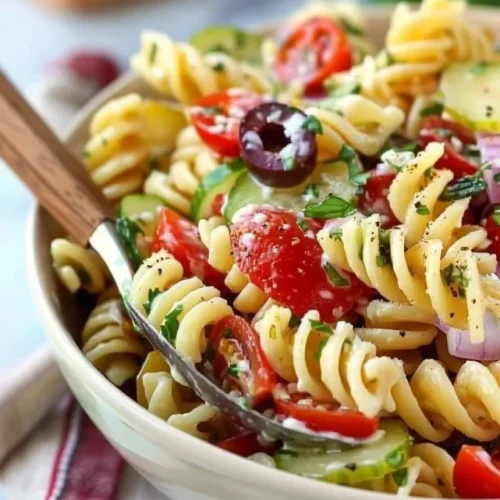
Classic Pasta Salad
Ingredients
Pasta and Vegetables
- 12 oz pasta (rotini, penne, or farfalle) Choose any of the recommended pasta shapes.
- 1 cup bell peppers (chopped) Use a mix of colors for a vibrant look.
- 1 cup cucumbers (chopped) Peel if desired.
- 1 cup cherry tomatoes (halved) Texture and sweetness from fresh tomatoes.
- 1/2 cup red onions (chopped) Adjust quantity based on preference.
Herbs and Cheese
- 1/2 cup feta or mozzarella cheese (crumbled or cubed) Choose based on desired richness.
- 1/4 cup fresh basil (chopped) Can substitute with parsley or oregano.
Dressing
- 1/3 cup olive oil Used as a base for the vinaigrette.
- 3 tbsp vinegar ( balsamic) Adjust based on taste preference.
- 1 tsp mustard For added flavor.
- to taste salt and pepper Season to personal preference.
Instructions
Preparation
- Boil the pasta according to package instructions until al dente, then drain and cool.
- Chop the bell peppers, cucumbers, cherry tomatoes, and red onions into bite-sized pieces.
Mixing and Chilling
- In a small bowl, whisk together olive oil, vinegar, mustard, salt, and pepper to create the dressing.
- In a large bowl, combine the cooled pasta, chopped vegetables, cheese, and dressing until everything is evenly coated.
- Chill the salad in the refrigerator for at least 30 minutes to allow the flavors to meld.
Serving
- Serve the classic pasta salad chilled or at room temperature, and enjoy!